
agrifood commodity trader
for business between reasonable and responsible people
agrifood commodity trader
for business between reasonable and responsible people
reflections on contemporary challenges
agriculture | environment | energy transition
reflections on contemporary challenges
agrifood commodity trader
for business between reasonable and responsible people
Donor of the SNSM  Saint-Jean-de-Luz
agriculture ● environment ● energy transition
In the space of a single generation, the import-export sector in Europe has evolved in a particularly unstable context, first that of the aftermath of 11 September 2001 which led to a restructuring of customs procedures and global security standards. According to the OECD, the overall economic cost of new security constraints on international trade has been estimated at several hundred billion dollars over the following decade. The subprime crisis (2007-2008) and the ensuing recession plunged the eurozone into a decade of turbulence. Global trade fell by 12% in volume in 2009, the largest contraction since the Second World War (WTO). The collapse of the Greek economy, whose GDP fell by 26% between 2008 and 2013, and the volatility of currencies (the euro lost up to 30% against the dollar between 2014 and 2015) permanently disrupted intra-European trade balances. The Covid-19 pandemic (2020-2022) dealt an additional blow: global goods trade fell by 5.3% in 2020 (WTO), global supply chains became clogged, and supply times lengthened up to 6 times their usual levels for certain agricultural commodities. The inflation that some experts refused to acknowledge has become a long-term concern. More recently, the war in Ukraine since February 2022 has driven cereal and fertiliser prices to record levels. Wheat reached €440/tonne in March 2022, a historic peak, while the price of nitrogen fertilizers tripled in a year, directly affecting global agricultural production costs.
some perspectives based on 25 years of experience in international trade of agrifood commodities
The "world after" imagined during the Covid-19 pandemic is struggling to materialise. 90% of global leaders stated in 2021 that they wanted to integrate environmental criteria into their recovery plans (Accenture, 2021). Three years later, less than 20% of post-Covid plans included significant ecological transition measures (UNEP, 2023).
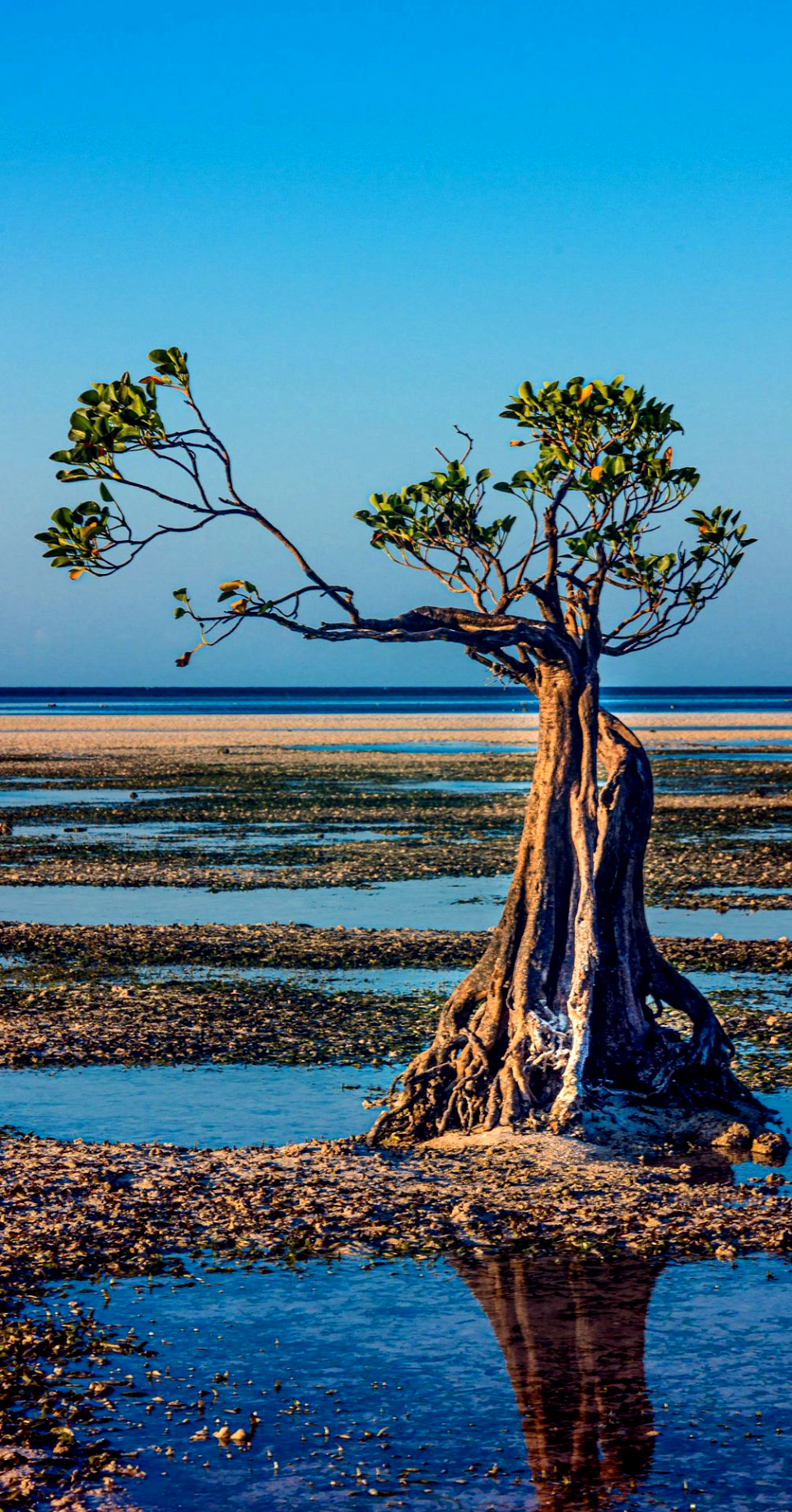 According to The Nature Conservancy, every euro invested in the restoration of wetlands generates on average 7 to 9 euros in economic benefits.
Reorienting resources: towards a regenerative economy
If nations and their economic champions are not lacking in financial means,too few of these resources are directed towards the regeneration of ecosystems. On one hand, the 20 G20 countries spent more than 5.9 trillion dollars on fossil fuel subsidies between 2015 and 2022 according to IISD. In contrast, the Dasgupta report (2021), commissioned by the UK government, estimates that the destruction of biodiversity costs the global economy between 3,000 and 4,000 billion dollars per year in lost ecosystem services.
Several levers deserve to be further supported:
- Eco-agriculture and agroforestry: combining trees and crops increases biodiversity by 30% and reduces soil erosion by 50% (FAO, 2022). Pioneering programmes exist: the "Argan Tree" project in Morocco combines argan oil production, forest regeneration, and income for local women's cooperatives.
- The rehabilitation of wetlands: according to The Nature Conservancy, every euro invested in wetland restoration generates an average of 7 to 9 euros in economic benefits (water filtration services, flood protection, fishing, tourism). In Europe, the nature restoration regulation (adopted in 2024) mandates the restoration of 20% of degraded ecosystems by 2030.
- The restoration of abandoned rural habitats: in Europe, approximately 26 million hectares of agricultural land have been abandoned since 1990 (EEA). These areas represent considerable potential for reforestation and conversion to high environmental value organic crops.
- Short supply chains and organic farming: local organic products generate on average 35% less CO₂ emissions than their imported conventional equivalents, taking transport into account (ADEME, 2022). In France, short supply chains accounted for 15% of food sales in 2023, showing constant growth, and employ on average 30% more local labour compared to large retail.
An urgency of political will
Priority should be resolutely given to local products from organic farming, distributed through short supply chains, which are vectors of positive and measurable social and environmental impacts. The instruments exist: the European CAP, reformed in 2023, aims for 25% of EU agricultural land to be converted to organic by 2030, a target that seems difficult to achieve, with only 9.9% of European agricultural land certified organic in 2022 (Eurostat). The cascading crises of the last twenty-five years have demonstrated that economic resilience and ecosystem health are inseparable. Each crisis, whether financial, health-related, or geopolitical, further weakens food systems that are most dependent on long global supply chains and fossil inputs. Investing in the regeneration of natural environments, local agriculture, and biodiversity is to build the only truly effective buffers against future shocks.
Sources: Worldometers, OECD, WTO, IEA, FAO, UN, UNEP, IISD, EEA, Eurostat, ADEME, Grand View Research, The Nature Conservancy, Dasgupta Report (2021), KOF Globalisation Index, Accenture (2021), EU Regulation 2023/852.
 In 2024, China still accounted for more than 50% of the world's coal consumption and 32% of CO₂ emissions. It is the largest consumer and the second-largest producer of iron ore in the world.
Source: https://www.worldometers.info
During this period, the global economic and commercial architecture has undergone profound transformations due to geopolitical tensions and the tangible consequences of climate disruptions. Globalisation, which was elevated to an ideal at the turn of the millennium, has fractured: the KOF Globalisation Index has stagnated since 2008, and protectionist policies will multiply with American tariffs on Chinese imports and European restrictions on certain products. The goals of the COPs seem increasingly chimerical: COP28 (Dubai, 2023) has indeed acknowledged the "transition away from fossil fuels", but global CO₂ emissions still reached a record in 2023 at 37.4 billion tonnes (IEA). Policies for restoring natural environments are taking a back seat to the geopolitical urgencies.
Real efforts in the dried fruit sector
Despite this context, considerable efforts have been made since the beginning of the 21st century by agricultural producers in the dried fruit sectors, which provide a global market estimated at over $70 billion in 2023 (Grand View Research). These sectors have invested heavily in micro-irrigation technologies to cope with water scarcity. In California, the world's leading producer of almonds (80% of global production), drip irrigation systems now cover more than 70% of orchards, compared to less than 30% in the early 2000s, reducing water consumption by 20 to 30% per kilogram produced.
Other notable environmental initiatives have emerged:
- Reduction of pesticides: in Turkey (the world's leading producer of hazelnuts, accounting for 65-70% of global production), Global G.A.P. certification programmes have reduced pesticide use by 25% over ten years in certain regions of the Black Sea.
- Reduction of packaging plastics: several Iranian and Tunisian cooperatives producing dates and dried figs have adopted bio-based or recycled packaging in response to European packaging standards (EU Regulation 2023/852).
- Renewable energy: in Spain, almond cooperatives in the Valencia region have installed solar panels covering up to 40% of their energy needs in sorting and packaging stations. Biomass from nut shells and olive pits also fuels industrial boilers in several countries in the Maghreb.
Despite these advances, demographic pressure, that is to say 10 billion inhabitants expected by 2050 according to the UN, with a strong increase in demand for plant proteins, and international competition have not yet managed to halt the degradation of ecosystems. Deforestation linked to the expansion of cashew orchards in Côte d'Ivoire and Burkina Faso, or the overexploitation of groundwater in Iran for the irrigation of pistachio trees, illustrate the persistent contradictions between the growth of the sector and the preservation of environments.
Over the last 25 years, the production capacities of many crops have been multiplied by two, three, or even four in several regions of the world. This silent revolution in agricultural productivity has profoundlyredesignedour eating habits. According to FAO data, global production of primary crops (sugar cane, maize, wheat, rice) increased by +54% between 2000 and 2021, reaching 9.5 billion tonnes. This spectacular growth occurred on agricultural areas that remained largely stable. Cultivated land has only increased by +10% since 1960, despite a doubling of the global population.Some figures illustrate the scale of the changes. The production of vegetable oil increased by +125% between 2000 and 2020, with +236% for palm oil (FAO, 2022). Meat production rose by +45%, led by the poultry sector. The production of fruits and vegetables stands out with +20% over the same period. The gross value of global agricultural production is expected to reach 3,960 billion USD by 2034, according to the OECD/FAO Outlook 2025-2034.. Thus, what was once exceptional, such as avocado, smoked salmon, or foie gras, has become commonplace and accessible on a daily basis, at a relatively moderate cost. However, this food democratisation has come with compromises on quality and considerable environmental impacts.
The globalisation of agricultural markets erases the awareness of the seasonality of harvests by maintaining an illusion of abundance. Consumption habits have evolved, disregarding the seasonality of local productions, to the detriment of prices, nutritional quality, traditional diets adapted to regional climates, and the environmental cost of transportation.
Consequences of agricultural intensification
Intensive agriculture, a major consumer of chemical inputs, has generated considerable negative externalities. According to the Intergovernmental Platform on Biodiversity and Ecosystem Services (IPBES), 23% of the world's land has experienced a reduction in productivity due to soil degradation. The use of pesticides increased by +62% globally between 2000 and 2021 (FAO, 2023). Agricultural losses related to disasters (droughts, floods, epizootics) averaged 123 billion USD per year between 1991 and 2021, representing 5% of annual global agricultural GDP.
On another note, the decline of pollinating insects is one of the most silent threats to food security. The IPBES reminds us that over 75% of food crops depend on animal pollination. Thus, 9% of bee and butterfly species in Europe are threatened with extinction (IUCN), and 16.5% of vertebrate pollinators are at risk globally. A 50% decline in pollinators would lead to a yield reduction of 12 to 31% in the most dependent crops (IPBES modelling, 2016).
Alongside the growth in production, consumption habits have evolved, not always for the better. The rise of anti-obesity treatments, with a global market exceeding 10 billion USD annually, and awareness campaigns about "junk food" reflect a growing consciousness. The widespread availability of ready meals, rich in texture agents and synthetic flavour enhancers, leads to an increasing share of "poor calories" in daily diets. The FAO estimates that in 2021, a healthy diet cost an average of 3.66 USD per day per person (in purchasing power parity), an increase of +4.3% in one year, a burden beyond the reach of a significant portion of the global population.Without succumbing to pessimism, one might wonder if, at a certain horizon, access to nutrition through 100% natural vitamins and proteins will not become a luxury.
A warning signal: the egg crisis in the United States (2025)
The egg shortage that hit the United States in spring 2025 sharply illustrates the fragility of food supply chains in the face of health shocks. Avian influenza, described as the worst bird epidemic in American history, led to the culling of more than 158 million poultry over three years. As a result, prices surged by +15.2% in just one month, that of January 2025. A dozen eggs reached up to 19 dollars (€18) in New York in February 2025 (Reporterre), and certain supermarkets implemented purchase quotas per customer. In response to the crisis, the US government sought international aid. Some European countries declined, claiming that their own needs were barely met, known against the backdrop of a standoff over tariffs between the US and the EU..."an eye for an eye and a tooth for a tooth".
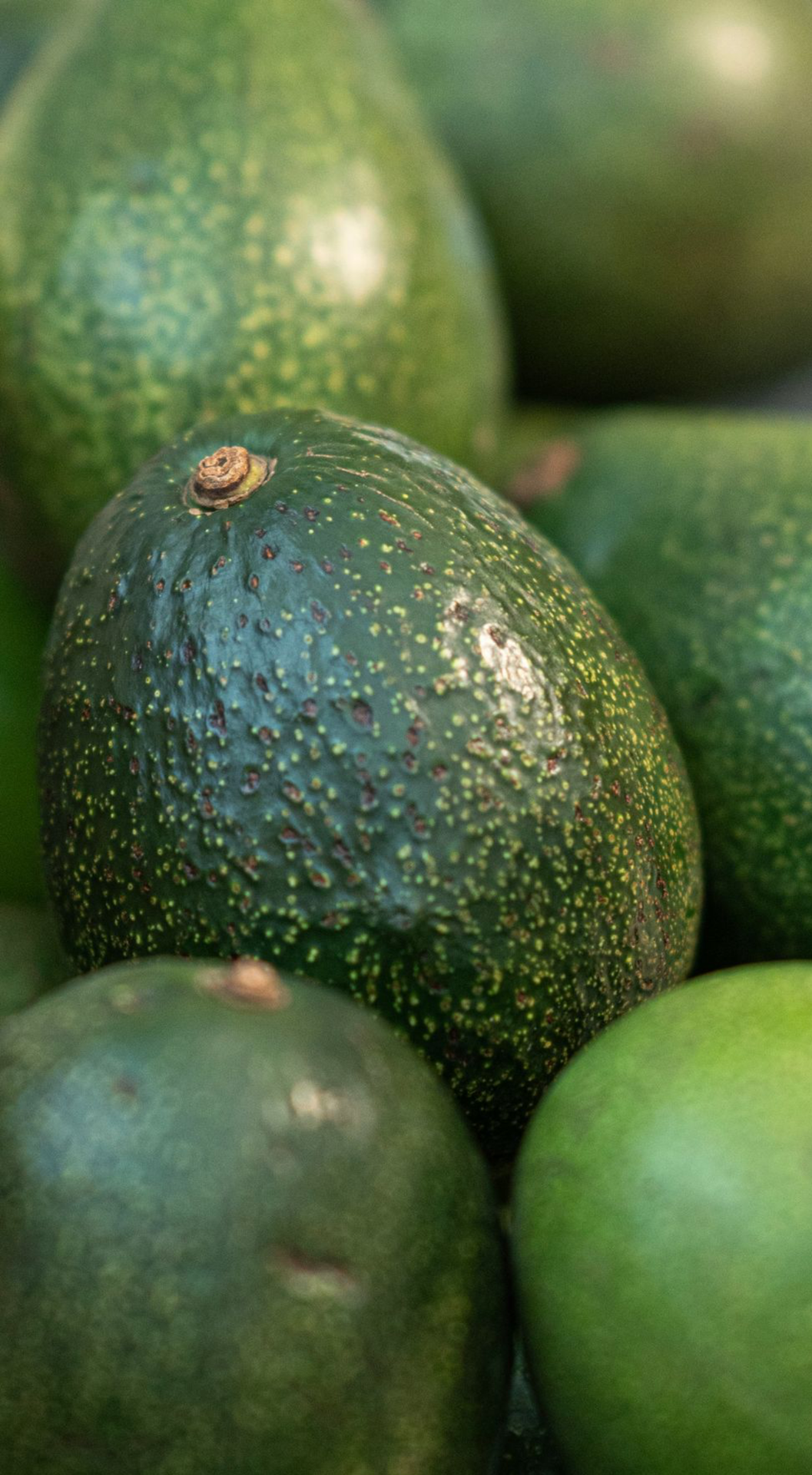
The BIOBURGER brand highlights seasonal vegetables:"Tomatoes in summer and avocados in winter, which do not come from the ends of the earth, which do not grow in heated greenhouses."
Edible insects hold the promise of a nutritional alternative for humanity, but I must admit that I am not quite ready to try the experience, particularly because infestations of moths and weevils are among the most common complaints in my field.
Enthusiasts can book a table in Paris at the restaurant 'Inoveat the gourmet insect' Inoveby Laurent Veyet, the only Michelin-starred chef at the moment who offers a gourmet dinner entirely based on insects.
CSR, from concept to practice with the rise of organic farming and short supply chains
Corporate Social Responsibility (CSR) is a concept that emerged as early as 1953 in the foundational work of American economist Howard Bowen, "Social Responsibilities of the Businessman". It has been progressively institutionalised by the Earth Summit in Rio (1992), which laid the foundations for sustainable development, then by the Green Paper of the European Commission (2001), which established the current normative definition of CSR, and finally by the Paris Agreement (2015) and the UN Sustainable Development Goals, which have strengthened the obligations for non-financial reporting. Since the late 1960s, in the context of the "return to nature", many farmers and businesses have engaged in organic farming.
In France, current figures testify to the maturity of this movement:
- 61,853 farms engaged in organic by the end of 2024, representing 14.9% of French farms (Agence Bio, 2025)
- 2.71 million hectares cultivated organically, representing 10.1% of the useful agricultural area.
- The organic sector generates over 200,000 jobs in rural areas.
France is the second largest organic market in Europe with €12.2 billion in household spending in 2024 (+8% in value), behind Germany (€17 billion), while the European organic market represented €55.1 billion in 2024 (Agence Bio / FiBL). At the European level, 11.1% of the usable agricultural area was certified organic in 2024, with over 438,000 certified farms.
Sector initiatives and labels
Food sector companies have deeply integrated CSR into their purchasing specifications and quality approaches. The "Fair Trade" and "Fair and Organic Partner" labels embody decades of financial and human investment in sustainable agriculture. Areas of excellence, such as the Basque Country, illustrate how a strong local identity and rigorous quality approaches can enhance high-quality agricultural and aquaculture production, providing a reproducible model for other regions.
Outlook
Without descending into pessimism, it is clear that dominant agricultural models have reached certain limits. Access to quality nutrition, based on 100% natural vitamins and proteins, could ultimately become a luxury good if current trends continue. CSR initiatives, organic and fair trade supply chains, short circuits, and local policies are concrete and proven levers for action. The investments made today by companies and farmers engaged in these approaches may indeed be deducted from immediate profits, but they represent smart investments for biodiversity, the regeneration of the living chain, and the resilience of our food systems.
Sources: FAO, World Statistical Yearbook on Food and Agriculture, Ed 2022 & 2023 ● OECD/FAO, Agricultural Outlook 2025-2034 Paris Ed OECD ● IPBES, Global Assessment Report on Biodiversity and Ecosystem Services, 2019 ● IPBES, Assessment Report on Pollinators, Pollination and Food Production, 2016 ● Maille E. "Eggs at 19 dollars, avian flu drives up prices in the United States", Reporterre 2025-02-19 ● Agence Bio, Key figures of the organic sector in France & EU, June 2025.
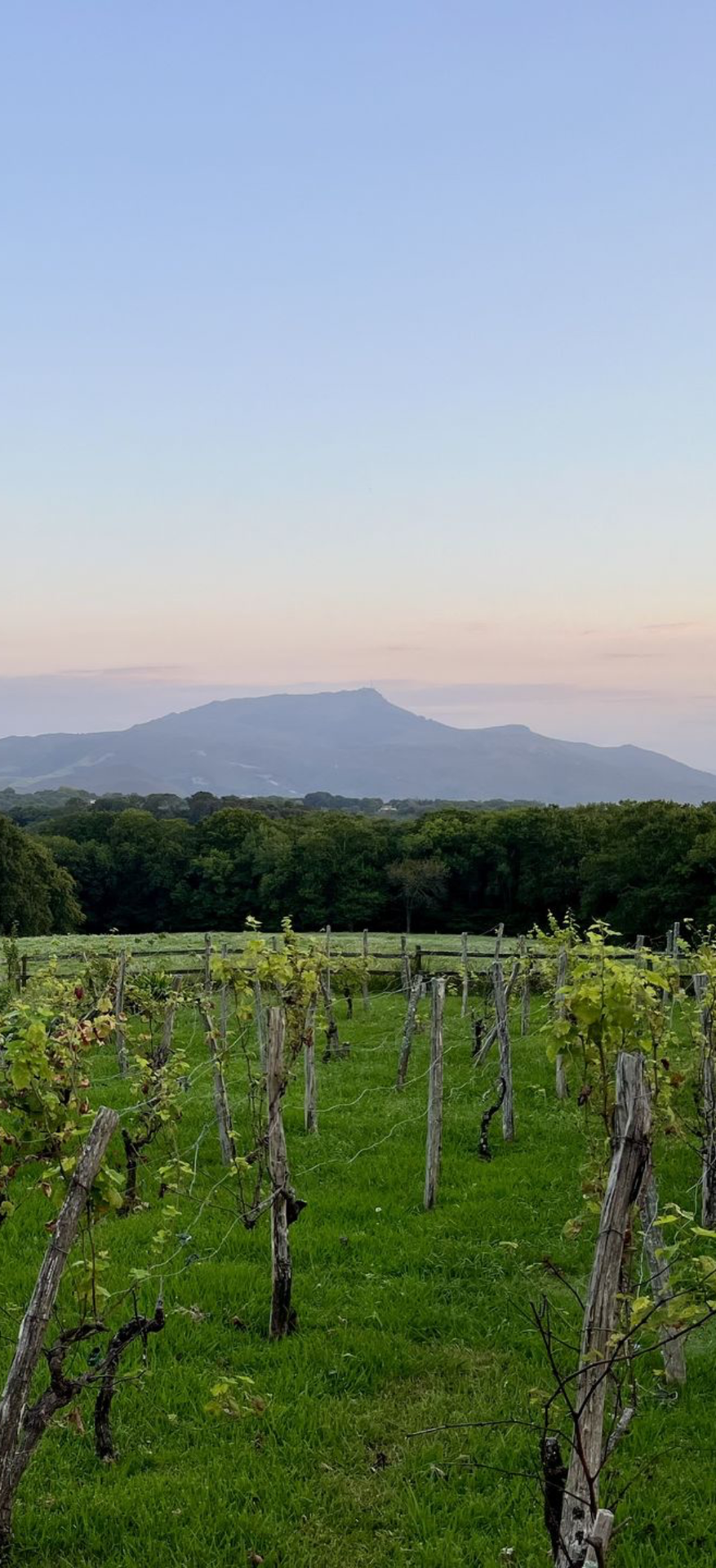
The summit of La Rhune overlooks the exceptional agricultural and fishing terroir of the Basque Country, a replicable model for other regions.
photo: Peggy Borlouoglou
Decarbonised energy, still dependent on fossil fuels
Decarbonised energy raises questions that are often overlooked: how much energy and natural resources need to be mobilised to manufacture and then recycle solar panels and electric batteries? A photovoltaic panel takes 2 to 4 years to "pay back" the energy used in its production, and even up to 6 years in less sunny regions. As for a lithium-ion battery of 60-100 kWh, it generates between 8 and 20 tonnes of CO₂ during production, equivalent to one to two years of use of a petrol car, even before it is driven. Recycling remains marginal: in 2023, less than 5% of end-of-life batteries were actually processed globally (IEA).
Nuclear energy and radioactive legacy
Extracting uranium requires digging vast mines in often unstable regions: between 1,000 and 200,000 tonnes of ore must be processed to obtain one tonne of usable uranium. After enrichment and use in reactors, waste management is a colossal challenge. In France, EDF produces around 1,100 tonnes of spent fuel each year; some isotopes remain dangerous for over 100,000 years (plutonium-239 has a half-life of 24,110 years). The Cigéo burial project (Bure, 500m deep) is estimated to cost over 25 billion euros according to the Court of Auditors.
This waste must be marked for millennia. Someone I know worked for a subcontractor of EDF (Electricity of France) on a linguistic project aimed at designing universal signs, understandable by humans or other intelligent forms in thousands of years, to indicate: "DANGER - DO NOT OPEN". This is not science fiction: semiologists, anthropologists, and linguists are working on this today, funded in part by Andra and the US Department of Energy.
Hydrocarbons and biofuels: imperfect substitutes
Transport accounts for 25% of global CO₂ emissions (IEA). First-generation biofuels are a contested response: in 2022, approximately 10% of global cereals and 40% of US corn were diverted to their production (FAO), to the detriment of food and global prices. Carbon capture and sequestration remains very expensive ($50 to $300/tonne), far from any mass economic viability.
Plastic: an invisible and lasting pollution
Recycling plastic is an illusion: each cycle degrades the material and multiplies the micro-particles dispersed in the environment. Recycled plastics such as polyethylene terephthalates (PET) offer, in my opinion, nothing more than an argument to "green" the CSR discourse of companies that use them. An average human ingests 5 grams of microplastics per week (Nature, 2021), which is equivalent to a credit card. Every year, 8 to 12 million tonnes of plastic enter the oceans (UNEP).
A walk around 2010 on a beach in Camargue struck me: hundreds, if not thousands, of shoe soles stretched as far as the eye could see, held in place by the blocks of rocks lined along the shore that filter the characteristic submersion waves of this region. The canvas and leather had disappeared, digested by the sea. Only the plastic and rubber soles remained, scattered in the grass among the bulls and Camargue horses, silent witnesses to decades of marine pollution.
Oil spill or nuclear disaster: weighing the consequences
The Erika (1999) spilled approximately 20,000 tonnes of fuel oil over 400 km of Breton coastline, with a total estimated cost of over 200 million euros. Serious and long to resolve, but generally reversible on a human scale. Chernobyl (1986) released the equivalent of 400 times the radioactivity of the Hiroshima bomb into the atmosphere; the total cost exceeds 700 billion dollars according to some estimates, and the most contaminated area will not be habitable for 20,000 years.
A common point in both cases: an industrial accident can take unpredictable forms due to technological innovations and the limits of human knowledge.
However, a fundamental asymmetry appears between these two disasters: the effects of the oil spill are reversible while nuclear issues can mark a territory for tens of thousands of years, a duration that far exceeds our planning horizon. The question takes on particular significance at a time when geopolitical instability directly exposes certain nuclear or oil infrastructures to the risks of armed conflict, in Eastern Europe as well as in the Middle East.
Sources: IEA, ANDRA, Court of Auditors, FAO, UNEP, Nature (2021), IPCC 2022.
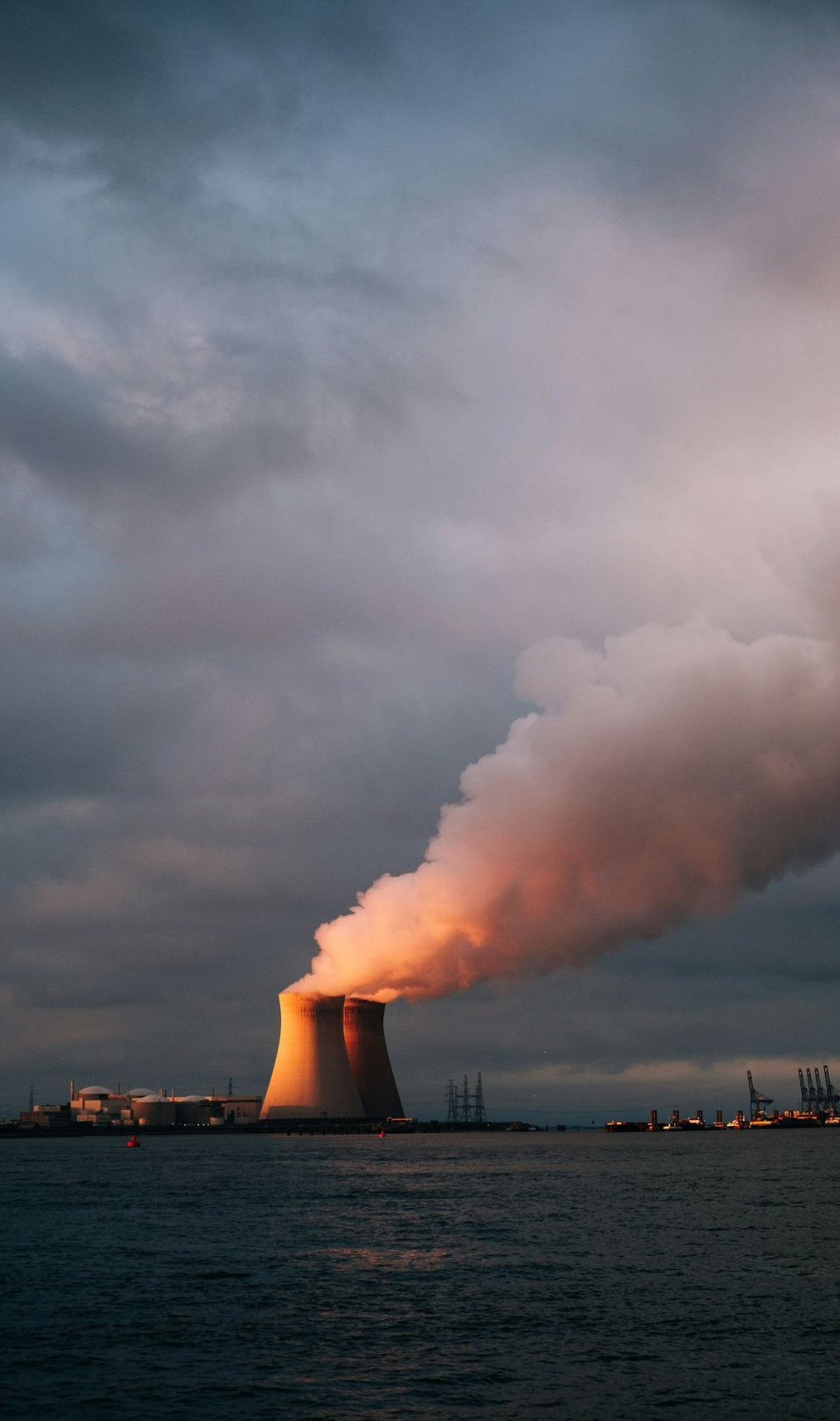
Global fleet had 417 nuclear reactors in 2025, including 56 reactors for France, spread across 19 plants, all located along riverbanks or coastal areas.
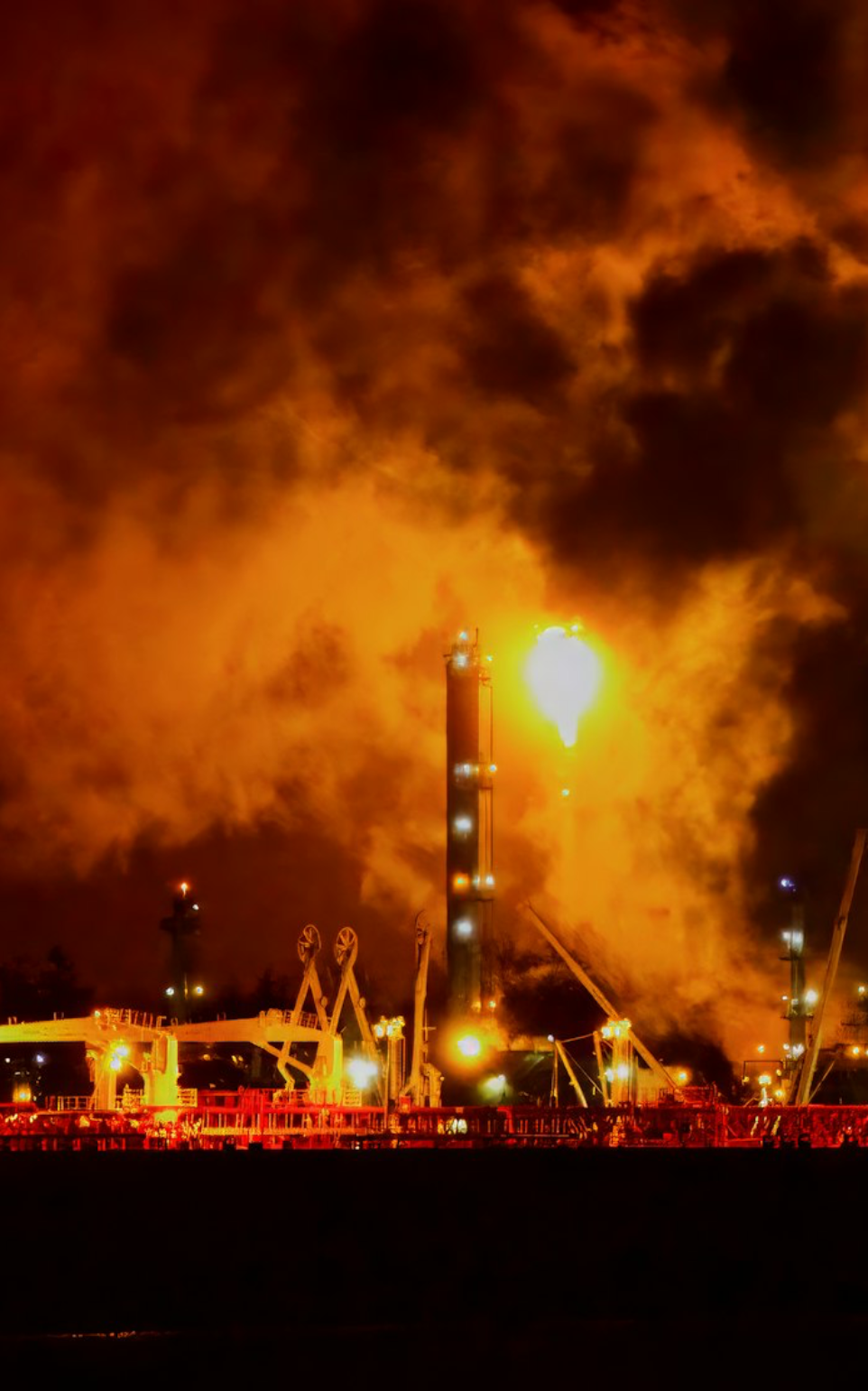
The Arabian Gulf, a historical site of tensions between the USA and Iran, accounts for 20% of global gas and crude oil exports.
⌛︎ Life expectancy
"The average lifespan of a human is absurdly, terribly, outrageously short.../... Assuming you live to the age of eighty, you will have experienced about 4,000 weeks."From the book "4000 Weeks" by Oliver Burkeman
⇥⇤ Spatial planning
A map created by an English site using data from NASA shows that the inhabitants of Earth are crammed onto 1% of the globe's surface, mainly on the coasts (Metrocosm in 2016). The land masses represent 29% of the planet's surface. What concentration...
⇪ Demography
The development of humanity took 300,000 years to reach a population of 1 billion, and only 200 years to go from 1 to 8 billion individuals. An incredible acceleration...
⚱︎ Crude oil
Each resident of the EU, which has 449 million people, uses 36.1 kg of plastic packaging per year. This amounts to 16 million tonnes per year, equivalent to a supertanker of 300,000 tonnes of crude arriving in Europe every week... And this is just plastic, one of the many products derived from the distillation of crude oil, and we are only talking about packaging. The EU imported nearly 400 million tonnes of crude during the first ten months of 2024 (latest statistics from "Ports and Corridors" at the time of writing this article), which is 130 supertankers per month, with the main entry point being Rotterdam with about one ship per day.https://portsetcorridors.com
⚗︎ Pollution from plastics
If 8 billion people bought 4 pairs of size 42 shoes per year, it would cover an area of 1,840 km². Plastic soles, often left in nature, take a very long time to degrade. In 3 years, we would cover a department like Var, in 25 years, 1.5 times Belgium or all of Switzerland, and in 5,000 years, the entire United States, if the population remains stable. By then, with global warming, it is likely that the remaining humans would settle for wearing espadrilles, thus solving the problem.

With 7 million inhabitants for a territory of 1,115 km², or 7,062 individuals per km², the city of Hong Kong is one of the 50 most populated cities in the world.