agrifood commodity trader
for business between reasonable and responsible people
agrifood commodity trader
for business between reasonable and responsible people
expertise
Organic Agriculture ● International Trade ● Finance ● Markets and Regulations ● Supply Chain ● Quality and Audits
agrifood commodity trader
for business between reasonable and responsible people
I support the SNSM  Saint-Jean-de-Luz
smart sourcing
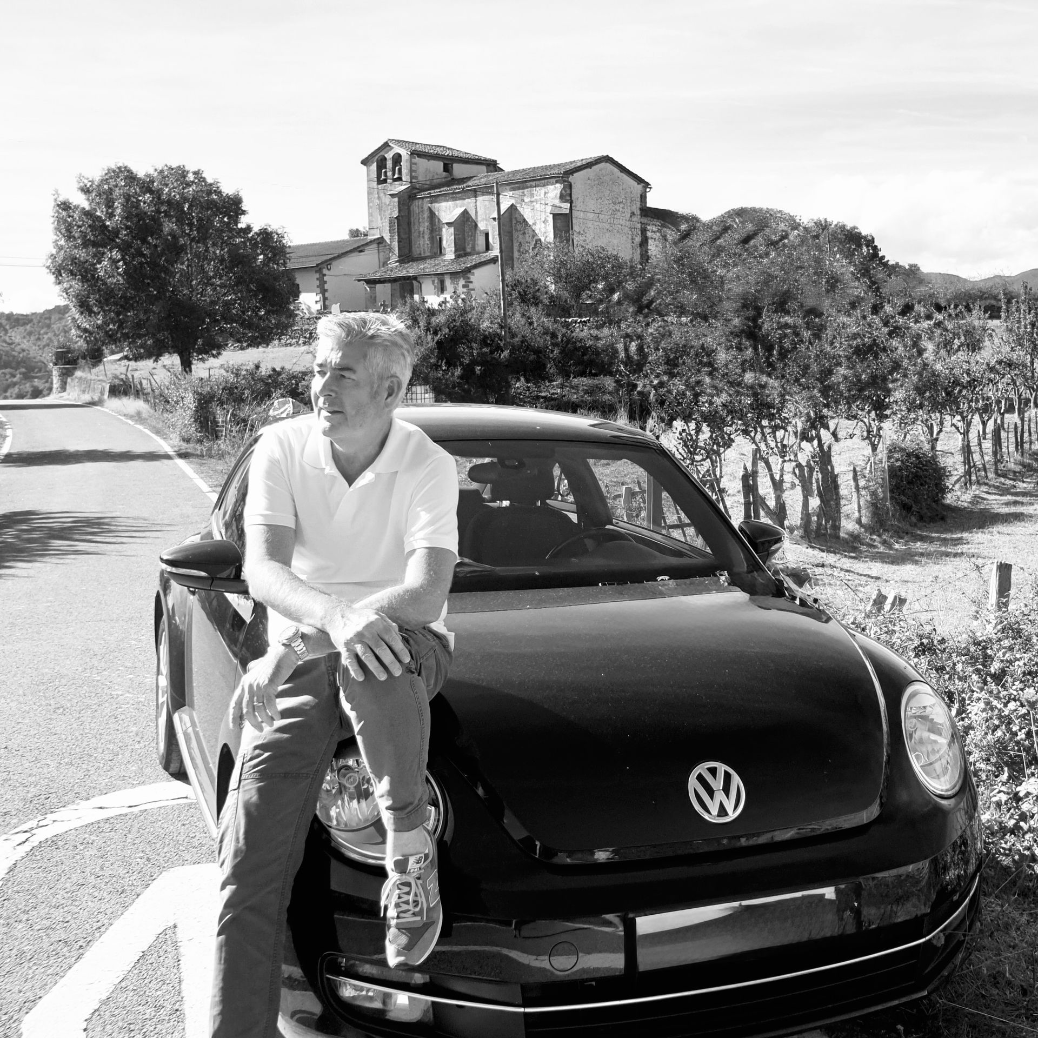
Prospecting of organic almonds in Spanish Navarre (2022)
Expert in sourcing products from conventional and organic agriculture.
Dried and dehydrated fruits, raw or processed, EU and non-EU origin: Almonds, Cashews, Hazelnuts, Chandler Walnuts, Pecan Nuts, Brazil Nuts, Pistachios, Pine Nuts, Cranberries, Grated Coconut, Dates.
Promoter of Mediterranean fruits, mainly grown in France, Spain and Italy, particularly due to their lower carbon footprint when imported into the EU.
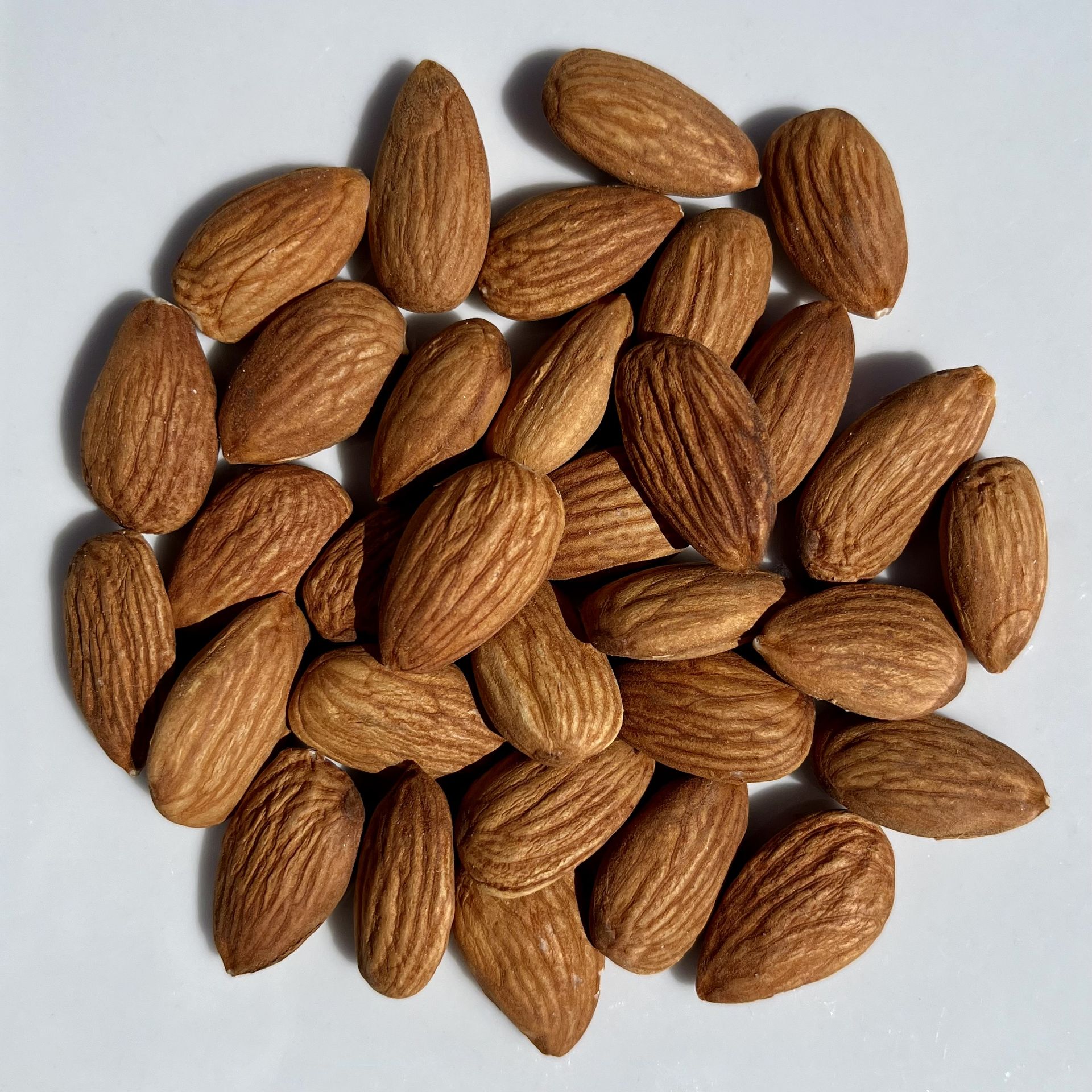
Almonds
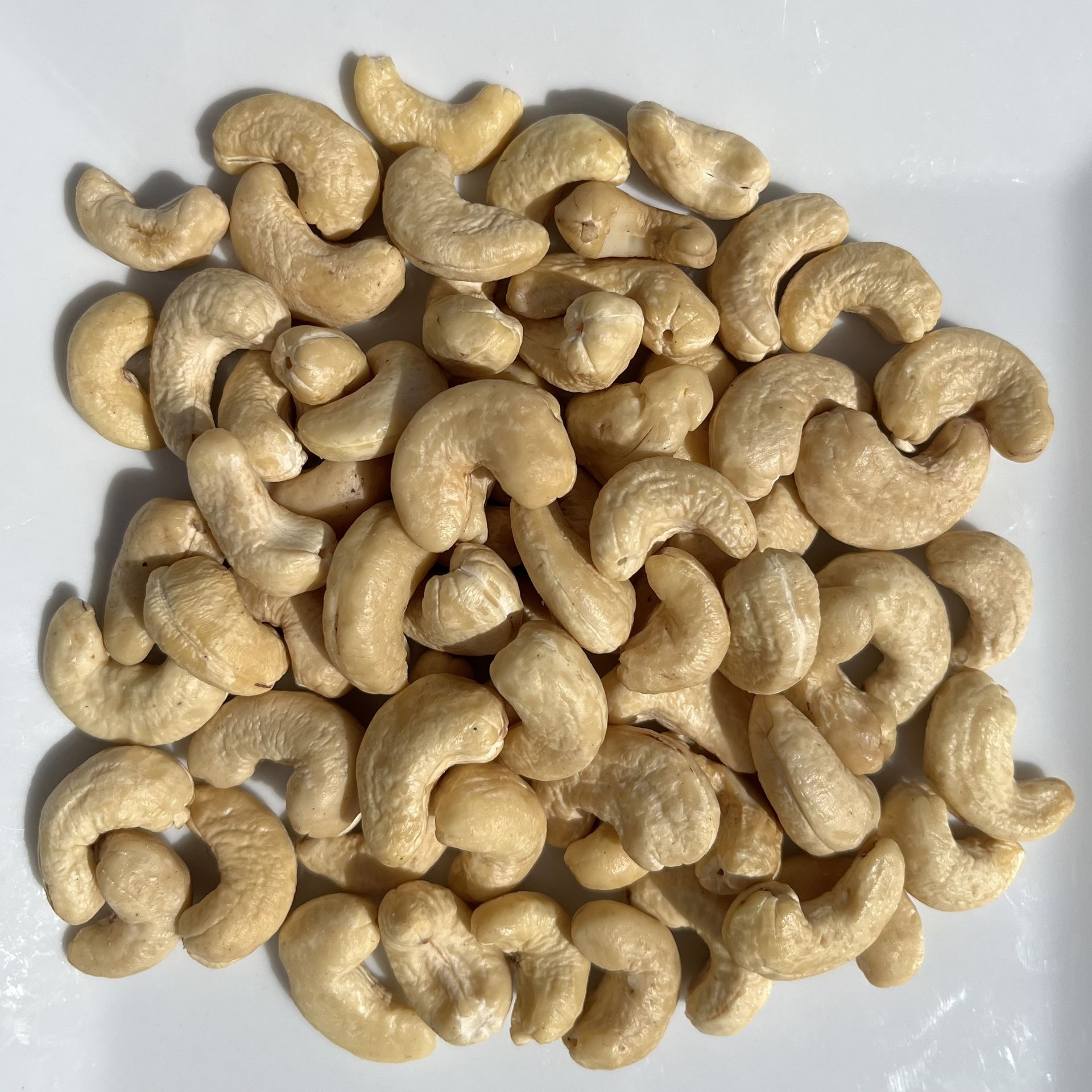
Cashews
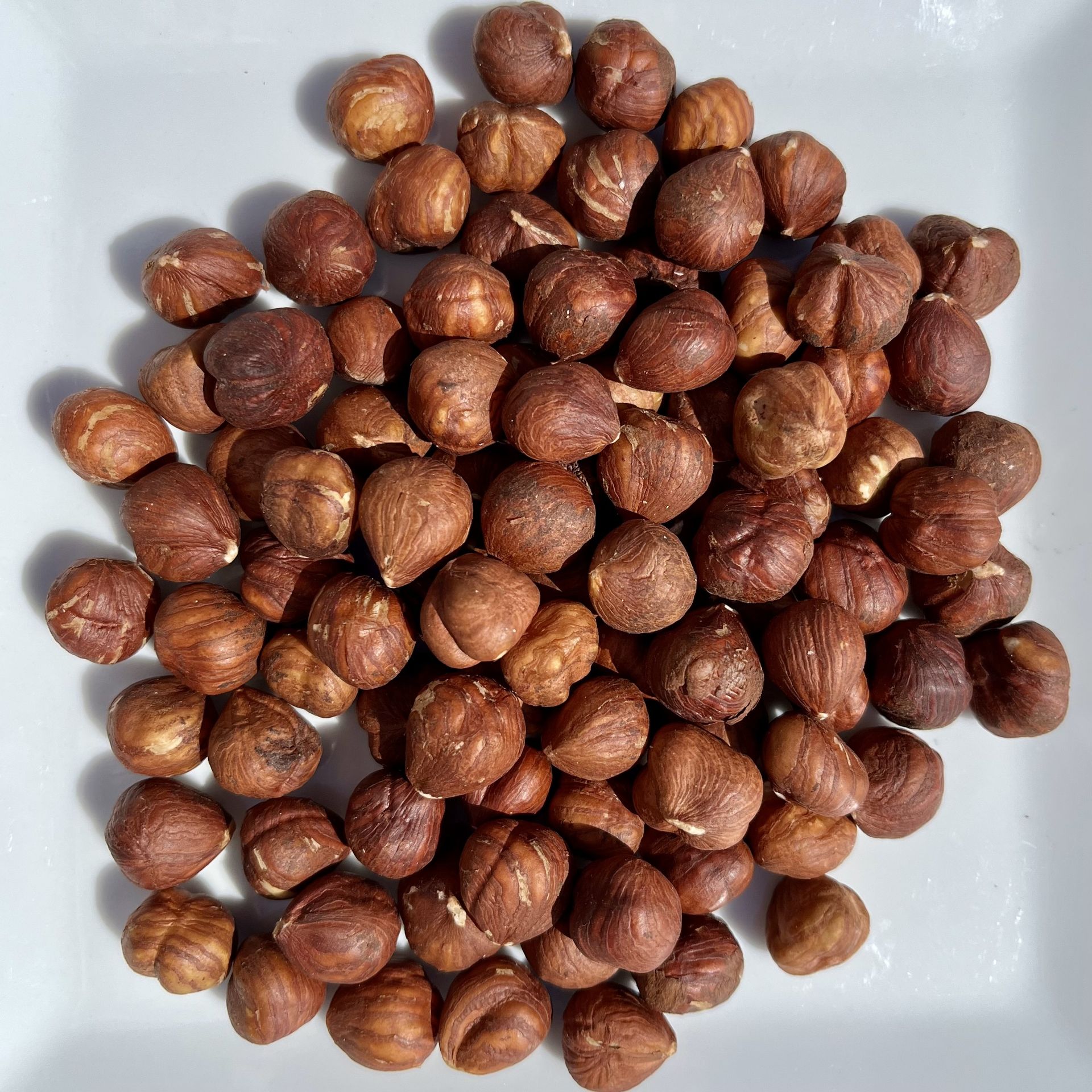
Hazelnuts
In affinity with stakeholders involved in the enhancement of nourishing terroirs through initiatives for ecosystem restoration and biodiversity, such as eco-agriculture, agroforestry, reforestation, rehabilitation of wetlands, and restoration of abandoned habitats in rural areas.
"Better a healthy mule than a tractor without fuel."
René Dumont
Expert of products from organic farming and supplied through short supply chains, illustrating concrete initiatives aimed at reducing carbon footprint, preventing pollution, managing natural resources responsibly, enhancing biodiversity, and significantly reducing the use of plastics in the supply chain.
empathetic negotiation
I negotiate contracts that all parties want to honour.
I intervene on the contractual conditions by negotiating agreements for sustainable partnerships. My approach consists of building a real understanding of the constraints, costs, and stakes of each party to reach an agreement that lasts over time.Ethics here is a strategy of robustness, not sacrifice, because a negotiation won at the expense of the partner produces a fragile contract. The partner will seek to exit, to cut corners on quality, or will default at the first tension..

Remuneration, a true condition of sustainability.
The concrete tools of this approach include the open sharing of production costs, indexing clauses that allow for the absorption of increases in raw materials, packaging costs, transport costs or energy without contentious renegotiation, multi-year volume commitments that enable the producer to invest and plan, and deposits or advance payments to relieve cash flow during tight periods.
Informed consent and respect for commitments.
A formally "consented" agreement can be very different from an "informed" agreement. Signing a contract under deadline pressure, without understanding a clause on exclusivity or withdrawal, is not informed consent but resignation.
The approach is based on three prerequisites for any agreement: each party understands what they are committing to, including in unfavourable scenarios such as harvest risks or logistical delays; commitments are reciprocal and verifiable, not just the obligations of the supplier; finally, exit or renegotiation terms are contractually provided for, without turning future disagreement into a crisis. Mutual respect for commitments directly stems from initial rigor. Disputes arise less often from bad faith than from ambiguity of terms or failure to anticipate risks.
The constructive management of disputes.
Disputes in agri-food chains are inevitable: delivery delays, quality discrepancies, payment issues, unanticipated weather events. The question is not to avoid them but to address them without destroying the relationship.
Constructive management of non-conformity implies a distinction between the problem to be solved and the person responsible (we resolve the dispute, we do not judge the partner), a culture of shared responsibility (for example, if a logistical delay is due both to a lack of anticipation by the carrier and to an order placed too late by the buyer, both parties take their share) and the memory of the solutions found. A well-resolved dispute strengthens trust; it does not destroy it. The tolerance mentioned in this approach is not complacency but the recognition that in long chains, the uncertainties are structural.
Sustainable business relationships are not maintained by sanctioning at the first unforeseen event, as these are complex ties that only flourish healthily between reasonable people, acting in good faith and fully aware of their responsibilities, after a qualification phase, which is the basis for risk management in this trade.
sustainable distribution

Every hour, 1,000 tons of plastic waste reach the oceans.
For the reduction of packaging and the elimination of plastic materials.
The number of specialized bulk grocery stores increased from 20 in 2016 to 1,000 in 2023. The recent trend confirms its establishment in consumer habits. In 2025, 18% of spice-buying households sourced in bulk (+3.5 points), and 14% of households bought biscuits in bulk (+3.3 points). Nuts remain the leading segment, consumed in bulk by 54% of households purchasing in the category. (source: www.reussir.fr)
◼︎ The law as a lever
The French regulatory framework actively promotes the sector. The Agec law mandates the deployment of bulk systems by requiring sellers to accept containers brought by consumers. The Climate and Resilience law sets a target of 20% of sales area dedicated to bulk by 2030 for surfaces over 400 m². The bulk decree published in November 2025 marked a key milestone, as until then the lack of a precise framework hindered investments and kept the market in a state of waiting.
Promoter of decarbonised floating transport.
◼︎Commercial sailing
After a century of absence, sail propulsion is returning to the seas, out of economic and climatic necessity. Writing this brings to mind the prophetic words of my grandfather on the subject. He was one of the last commanders of the French merchant sailing navy... and current events confirm his view at the time.
In 2024, the global wind-assisted propulsion sector was valued at approximately $120 million, with an estimated growth rate of over 70% per year for the coming decade. About fifty ships were equipped by early 2025, and more than a hundred will be by the end of 2026, with the goal of reaching a thousand by 2030. (source: www.filovent.com)
Leading French players: TOWT (Trans Oceanic Wind Transport) in Le Havre • NEOLINE in Nantes • GRAIN DE SAIL in Morlaix.
◼︎Inland navigation
France has the longest network of navigable waterways in Europe with 8,500 km, of which only 1/4 are fully usable.
The potential is immense and the signs of recovery are real. Professional structuring is accelerating: the Federation of Inland Waterway Companies of France (E2F) has been created to unite all families of inland transport, including boatmen, shipowners, and passenger carriers, with regional delegations covering the entire territory..
Innovations are being implemented in cities like Strasbourg where the Urban Logistic Solutions (ULS) service combines river and electric-assisted bicycle for the last mile delivery.
(sources: www.actu-transport-logistique.fr et www.vnf.fr)
smart sourcing

Prospecting for organic almonds in Navarre - Spain (2022)
Expert in sourcing products from conventional and organic agriculture.
Dried and dehydrated fruits, raw or processed, from the EU and non-EU: Almonds, Cashews, Hazelnuts, Chandler Walnuts, Pecans, Brazil Nuts, Pistachios, Pine Nuts, Cranberries, Grated Coconut, Dates.
Promoter of Mediterranean fruits, mainly grown in France, Spain and Italy, particularly due to their lower carbon footprint when imported into the EU.
Almonds
Cashews
Hazelnuts
"Better a healthy mule than a tractor without fuel." René Dumont
René Dumont
In affinity with the stakeholders who participate in the enhancement of nourishing territories through initiatives for the restoration of ecosystems and biodiversity, such as eco-agriculture, agroforestry, reforestation, the rehabilitation of wetlands, and the restoration of abandoned habitats in rural areas.
Expert of products from organic agriculture and sourced through short supply chains, illustrating concrete initiatives aimed at reducing carbon footprint, preventing pollution, managing natural resources responsibly, enhancing biodiversity, and significantly reducing the use of plastics in the logistics chain.
empathetic negotiation

I negotiate contracts that all parties are eager to honour.
I intervene on contractual terms by negotiating sustainable partnership agreements. My approach is to build a real understanding of the constraints, costs, and stakes of each party to reach an agreement that lasts over time. Ethics here is a strategy of robustness, not sacrifice, as a negotiation won at the expense of the partner produces a fragile contract. The partner will seek to exit, cut corners on quality, or default at the first sign of tension.
Remuneration, a true condition of sustainability.
The concrete tools of this approach include the open sharing of production costs, indexing clauses that allow for the absorption of increases in certain raw materials, packaging costs, transport costs or energy without contentious renegotiation, multi-year volume commitments that enable the producer to invest and plan, and advance payments or deposits to ease cash flow during lean periods.
Informed consent and respect for commitments.
A "consented" agreement in the formal sense can be very far from an "informed" agreement. Signing a contract under deadline pressure, without understanding an exclusivity or withdrawal clause, is not informed consent but resignation.
The approach is based on three prerequisites for any agreement conclusion: each party understands what it is committing to, including in unfavourable scenarios such as harvest risks or logistical delays; the commitments are reciprocal and verifiable and not just the supplier's obligations; finally, the exit or renegotiation terms are contractually provided for, without turning future disagreement into a crisis. Mutual respect for commitments directly stems from the initial rigor. Disputes arise less often from bad faith than from ambiguity of terms or failure to anticipate risks.
The constructive management of disputes.
Disputes in agri-food chains are inevitable: delivery delays, quality discrepancies, payment issues, unanticipated weather events. The question is not to avoid them but to address them without destroying the relationship.
Constructive management of non-compliance implies a distinction between the problem to be solved and the person responsible (we resolve the dispute, we do not judge the partner), a culture of shared responsibility (for example, if a logistical delay is due both to a lack of anticipation by the carrier and to an order placed too late by the buyer, both parties assume their part) and the memory of the solutions found: a well-resolved dispute strengthens trust, it does not destroy it. The tolerance mentioned in this approach is not complacency but the recognition that in long chains, the uncertainties are structural.Sustainable business relationships are not maintained by sanctioning at the first unforeseen event, as these are complex ties that only flourish healthily between reasonable people, acting in good faith and fully aware of their responsibilities, after a qualification phase, which is the basis for risk management in this trade.
sustainable distribution

Every hour, 1,000 tonnes of plastic waste reach the oceans. (www.unoceandeplastique.fr)
For the reduction of packaging and the elimination of plastic materials.
The number of specialized bulk grocery stores increased from 20 in 2016 to 1,000 in 2023. The recent trend confirms its establishment in consumer habits. In 2025, 18% of spice-buying households sourced in bulk (+3.5 points), and 14% of households bought biscuits in bulk (+3.3 points). Nuts remain the leading segment, consumed in bulk by 54% of households purchasing in the category. (source: www.reussir.fr)
◼︎The law as a lever
The French regulatory framework actively promotes the sector. The Agec law mandates the deployment of bulk systems by requiring sellers to accept containers brought by the consumer. The Climate and Resilience law sets a target of 20% of the sales area dedicated to bulk by 2030 for areas larger than 400 m². The bulk decree published in November 2025 marked a key milestone, as until then the lack of a precise framework hindered investments and kept the market in a state of waiting.
Promoter of decarbonised floating transport.
◼︎Commercial sailing
After a century of absence, sail propulsion is returning to the seas, out of economic and climatic necessity. As I write this, I recall the prophetic words of my grandfather on this subject. He was one of the last commanders of the French merchant sailing navy... and current events confirm his viewpoint back then.
In 2024, the global wind-assisted propulsion sector was valued at around 120 million dollars, with a growth rate estimated at over 70% per year over the coming decade. About fifty vessels were equipped by early 2025, and more than a hundred will be by the end of 2026, with a target of a thousand by 2030. (source:www.filovent.com)
➜ Leading French players: TOWT (Trans Oceanic Wind Transport) in Le Havre • NEOLINE in Nantes • GRAIN DE SAIL in Morlaix
◼︎Inland navigation
France has the longest network of navigable waterways in Europe with 8,500 km, of which only 1/4 are fully exploitable. The potential is immense and the signs of recovery are real.
La structuration professionnelle s'accélère: la fédération Entreprises Fluviales de France (E2F) a été créée pour fédérer toutes les familles du transport fluvial, artisans bateliers, armateurs, transporteurs de passagers, avec des délégations régionales couvrant l'ensemble du territoire. Les innovations entrent en application comme à Strasbourg où le service Urban Logistic Solutions (ULS) combine fluvial et vélo à assistance électrique pour la desserte du dernier kilomètre. (sources: www.actu-transport-logistique.fr)
(sources: www.actu-transport-logistique.fr)